
Whatever, I finally got a Girl in a Box
Advertisement
Games Overview
Discover Whatever, I Finally Got a Girl in a Box APK, a dark, choice-driven psychological game where every decision shapes a disturbing narrative filled with moral dilemmas and emotional consequences.
Table of Contents
Whatever, I Finally Got a Girl in a Box APK – A Dark, Thought-Provoking Interactive Experience
In a mobile gaming landscape filled with flashy graphics, fast-paced combat, and predictable storylines, it takes something truly unusual to stand out. Whatever, I Finally Got a Girl in a Box is exactly that kind of experience. It doesn’t try to entertain you in a traditional sense—instead, it pulls you into a deeply uncomfortable, psychological narrative that forces you to question your own decisions and moral boundaries.
This is not a game you play to relax. It is a game you experience, reflect on, and possibly feel unsettled by long after you put it down.
An Unconventional and Disturbing Premise
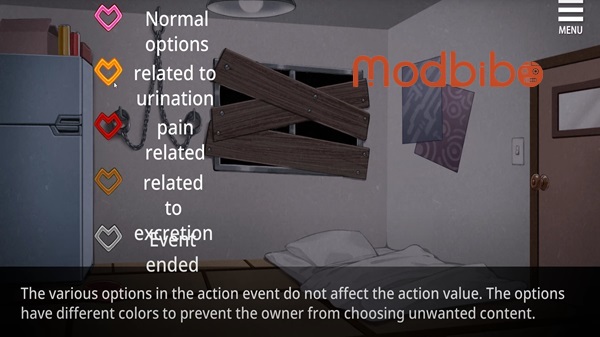
Right from the title alone, the game signals that it’s going to be different. The premise is minimal yet highly provocative: you are placed in control of a character who has confined a girl inside a box. From that moment forward, everything revolves around how you choose to interact with her.
There’s no dramatic setup, no heroic objective, and no clear explanation. The game throws you directly into the situation and leaves you to figure things out on your own. This lack of guidance is intentional—it creates a sense of unease and forces you to engage more deeply with the choices presented.
The simplicity of the setup is what makes it so effective. By stripping away distractions, the game ensures that your focus remains entirely on the relationship between you and the girl.
A Narrative Built on Player Choice
At its core, Whatever, I Finally Got a Girl in a Box is a choice-driven narrative. The story unfolds through a series of interactions, primarily involving dialogue and actions you take toward the girl.
Each decision may seem small at first, but over time, they accumulate and shape the direction of the story. The game does not provide clear indicators of right or wrong choices. Instead, it presents options neutrally, leaving you to interpret their meaning and consequences.
Advertisement
This design creates a powerful sense of responsibility. You are not just observing the story—you are actively shaping it. Every action influences how the girl responds, how her personality develops, and ultimately how the narrative concludes.
Emotional Evolution and Character Dynamics
One of the most compelling aspects of the game is how the girl’s behavior changes over time. In the beginning, she reacts with confusion, fear, and resistance. Her situation feels real, and her responses are written in a way that makes them emotionally believable.
As you continue to interact with her, her reactions begin to shift. Depending on your choices, she might become:
- More trusting and open
- Increasingly fearful and withdrawn
- Emotionally dependent
- Detached or resigned
This evolution is not scripted in a linear way. It is directly influenced by how you treat her, which makes each playthrough unique. The game subtly mirrors your behavior back at you through her responses, creating a feedback loop that can be both fascinating and unsettling.
Minimalist Gameplay with Maximum Impact
Unlike traditional games, there are no complex mechanics to master here. The gameplay is intentionally simple, focusing on:
- Selecting dialogue options
- Choosing actions during interactions
- Managing limited opportunities to engage
There are no time limits, no reflex-based challenges, and no competitive elements. The “difficulty” comes from the decisions themselves. You are constantly placed in morally ambiguous situations where the outcomes are unclear.
This simplicity allows the narrative to take center stage. Without distractions, every choice feels heavier, and every consequence feels more personal.
Branching Paths and Multiple Endings
Replayability is a major strength of the game. Because the story branches based on your decisions, there are multiple possible endings to discover.
Some endings may suggest a form of emotional connection or understanding, while others highlight the darker consequences of your actions. The game avoids labeling any ending as definitively “good” or “bad.” Instead, it presents them as natural outcomes of your behavior.
This encourages players to revisit the game and explore different approaches. What happens if you act kindly? What if you remain distant or controlling? Each path reveals new layers of the story and deepens your understanding of the characters.
However, replaying the game can feel heavier than expected. Knowing how your actions affect the outcome can make certain choices more difficult the second time around.
Visual Style: Simple but Effective
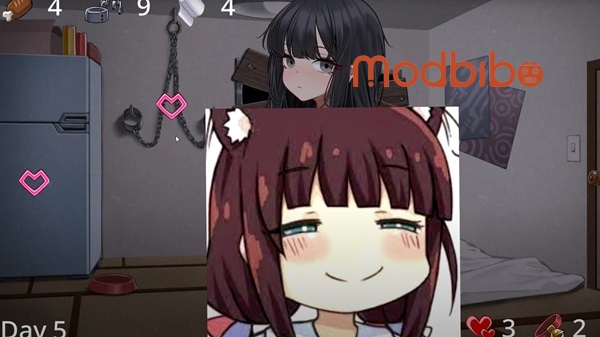
The game adopts a minimalist visual approach that complements its narrative focus. The character designs are straightforward, but expressive enough to convey subtle emotional changes.
The confined setting plays a crucial role in establishing the atmosphere. Most of the game takes place in a limited space, reinforcing the themes of isolation and control. There are no elaborate environments or dynamic scenery—everything feels intentionally restricted.
This visual simplicity keeps the player’s attention on the interactions and dialogue, which are the true heart of the experience.
Sound Design and Atmosphere
Sound is used sparingly but effectively. The game relies on ambient noise and subtle audio cues rather than a constant soundtrack.
Silence becomes a powerful tool. The absence of sound often amplifies the tension, making each interaction feel more intense. When audio elements are introduced, they are carefully chosen to enhance key moments rather than overwhelm them.
Advertisement
This restrained approach to sound design aligns perfectly with the game’s overall tone, creating an atmosphere that feels intimate and, at times, suffocating.
Themes That Challenge the Player
What truly sets this game apart is its willingness to explore difficult and uncomfortable themes. These include:
- Power and control
- Isolation and confinement
- Emotional dependency
- Moral ambiguity
- The consequences of choice
The game does not present these themes in a straightforward or didactic way. Instead, they emerge naturally through your interactions and decisions.
You are never explicitly told how to feel or what to think. The game trusts you to interpret the situation and reflect on your own behavior. This makes the experience deeply personal and, for some players, quite unsettling.
A Divisive Yet Memorable Experience
It’s no surprise that Whatever, I Finally Got a Girl in a Box has sparked mixed reactions. Some players appreciate its bold storytelling and unique approach to interactive narrative. Others find its premise too disturbing or morally uncomfortable.
This divide is part of the game’s identity. It is not designed to appeal to everyone. Instead, it aims to provoke thought and discussion, even if that means making players uncomfortable.
For those willing to engage with its themes, the game offers a rare kind of experience—one that lingers in your mind long after you finish playing.
Who Is This Game For?
This is not a casual or lighthearted game. It is best suited for players who:
- Enjoy story-driven experiences
- Are interested in psychological and emotional narratives
- Appreciate experimental game design
- Are open to exploring complex and uncomfortable themes
If you’re looking for action, excitement, or straightforward entertainment, this game may not meet your expectations. However, if you’re curious about games that push boundaries and challenge conventional storytelling, it offers something truly unique.

Final Reflection
Whatever, I Finally Got a Girl in a Box APK stands as a bold example of how games can be used as a medium for deeper exploration of human behavior and morality. It strips away traditional gameplay elements and focuses entirely on choice, consequence, and emotional impact.
It is not an easy experience, nor is it meant to be. Every interaction forces you to think, question, and reflect. The game doesn’t judge you—but it does make you aware of your decisions in a way that few games can.
In a world where many games aim to entertain, this one dares to challenge. Whether you find it compelling or uncomfortable, it leaves a lasting impression—and that alone makes it worth talking about.